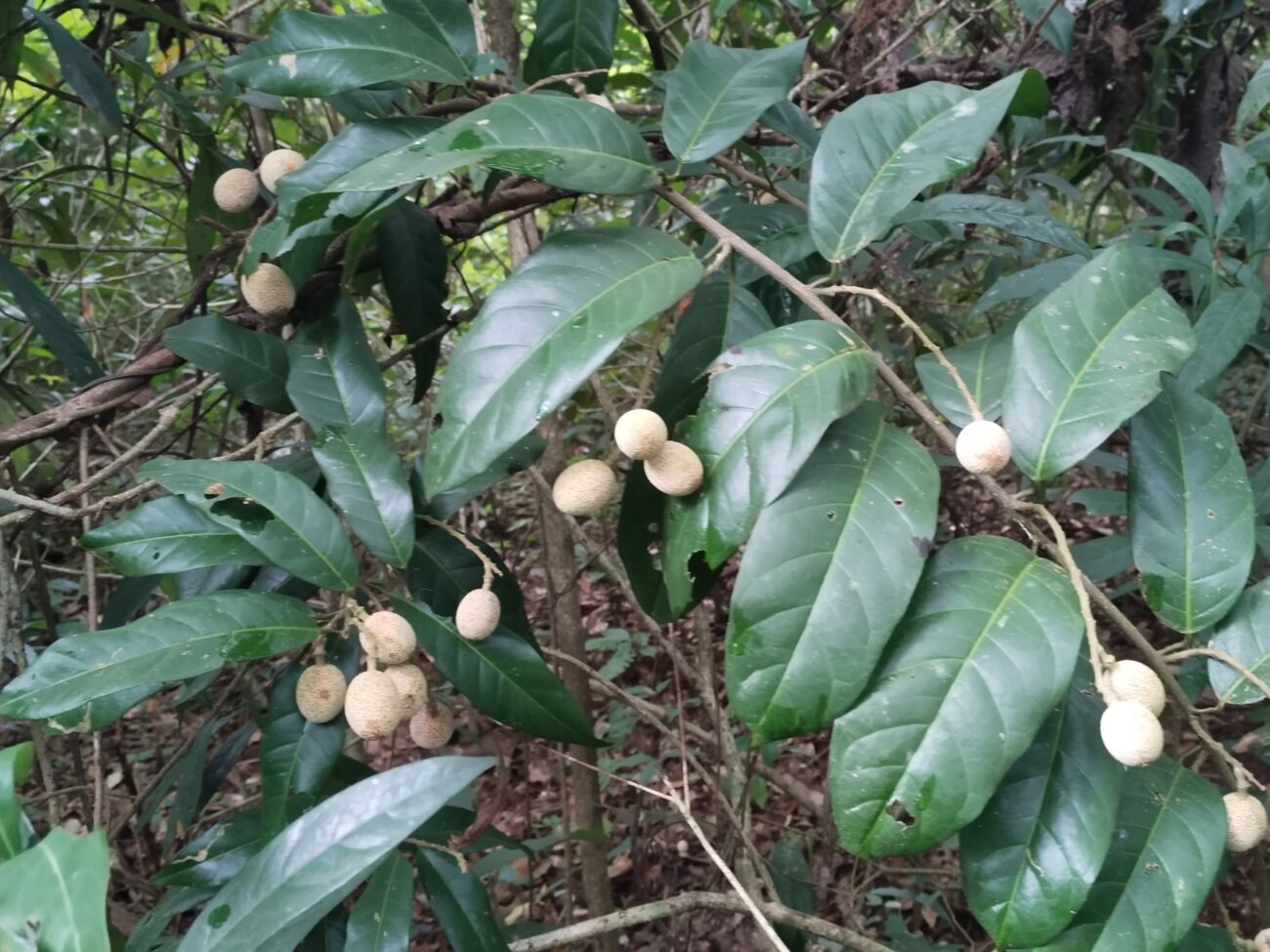
Did you know that Stixis suaveolens is a rare wild fruit-bearing climbing shrub found in parts of South and Southeast Asia?
Known locally and popularly as Madhu Malati, this lesser-known plant is an interesting example of the many underutilized species that remain closely associated with forests and traditional knowledge.
The scientific name itself gives us a clue about the plant. The species name suaveolens is derived from Latin words associated with sweetness and fragrance, reflecting the pleasantly scented nature of the plant. The name Madhu Malati also carries a similar meaning. In Sanskrit, madhu refers to sweetness, while malati is associated with a fragrant flowering climber. Thus, both its scientific and common names beautifully describe one of its characteristic features.
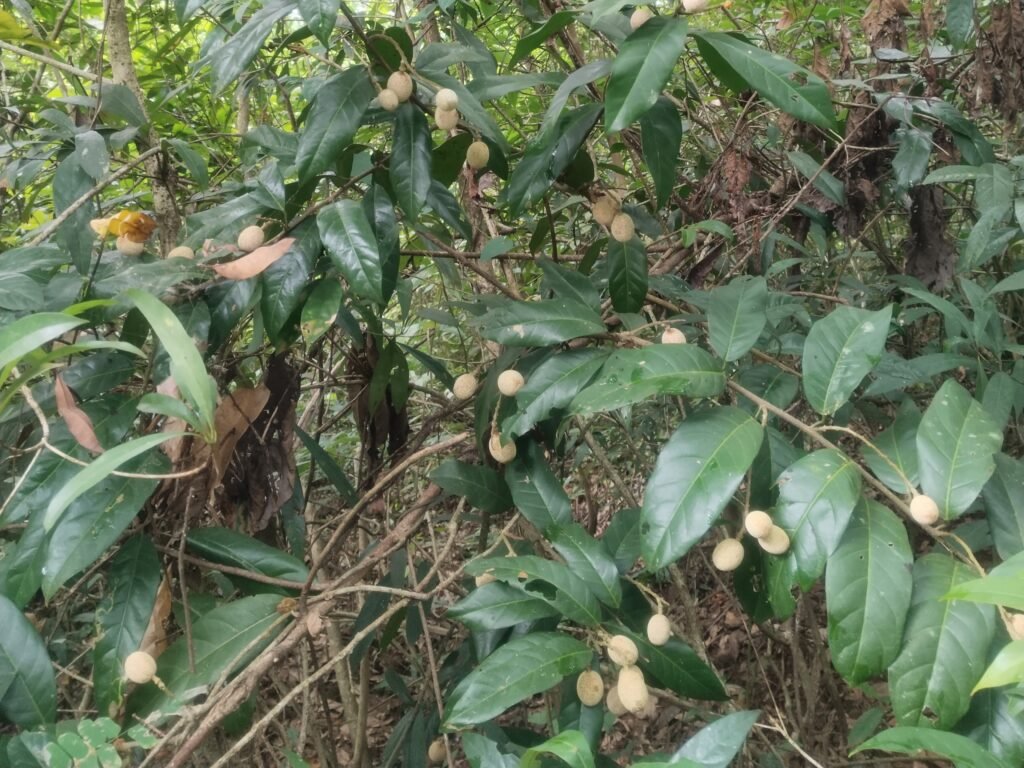
During our observation at Chasingre village in West Garo Hills, Meghalaya, we came across this interesting climber and learned about its traditional importance. Stixis suaveolens has a distribution extending across India, China and Vietnam. Like many lesser-known forest plants, it is valued by local communities not only as a wild food but also for its traditional medicinal uses.
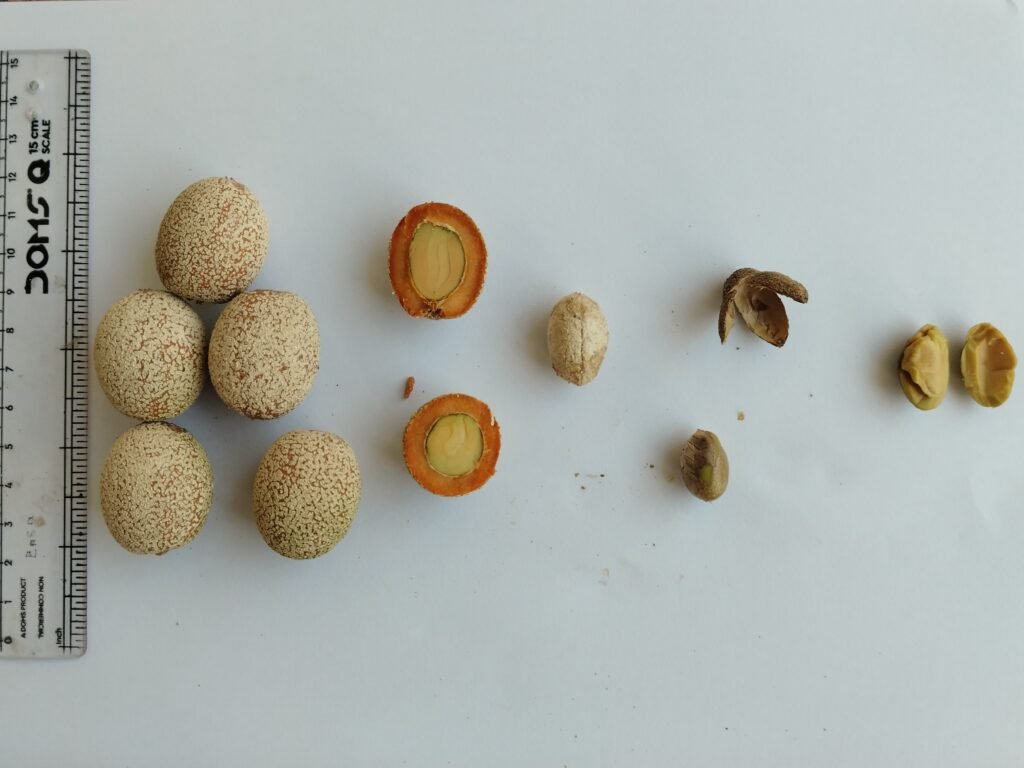
The fruits are particularly interesting from a nutritional perspective. They contain natural sugars, dietary fibre, vitamins, minerals and antioxidant compounds. Phenolic compounds and flavonoids reported from the species further add to its potential nutritional and functional value. However, one important limitation we observed is the low pulp-to-seed ratio. A large portion of the fruit is occupied by the seed, while the edible pulp is only moderately sweet. This characteristic may limit its direct commercial appeal at present.
This also points towards an important opportunity for future research. Crop improvement, domestication and selection of superior genotypes could help identify plants with better fruit size, pulp content, taste and other desirable characteristics. Such efforts could make this wild fruit more suitable for small-scale cultivation and, eventually, commercial production.
Beyond its value as a wild fruit, Stixis suaveolens has a long history of traditional use. In parts of Northeast India, local communities use the fruit and fruit decoction traditionally for conditions such as cough, malaria, inflammation and traumatic pain. Traditional uses have also been documented in Bangladesh, where the fruit is consumed for certain ailments. These uses represent valuable traditional knowledge, although they should not be considered substitutes for scientifically established medical treatment.
For us, Stixis suaveolens is more than a rare wild fruit. It represents the connection between forest biodiversity, traditional knowledge, food and potential livelihoods. Many such species remain underutilized simply because they have received limited attention in research, propagation and domestication.
Documenting these forgotten plants is therefore an important first step. Conservation through domestication, agroforestry integration, community nurseries and sustainable cultivation could help reduce pressure on wild populations while creating opportunities for local communities.
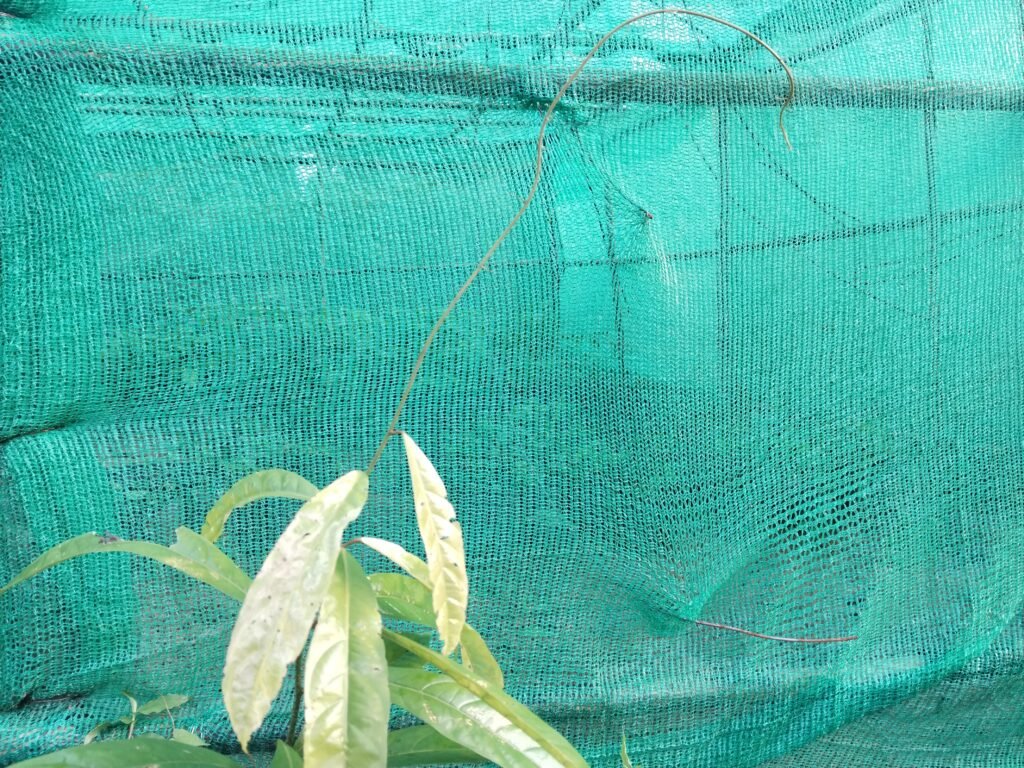
Madhu Malati reminds us that our forests still hold many plants whose potential is waiting to be understood. By documenting, conserving, and promoting such underutilized species, we can support biodiversity conservation while exploring new possibilities for food, nutrition, and sustainable livelihoods.
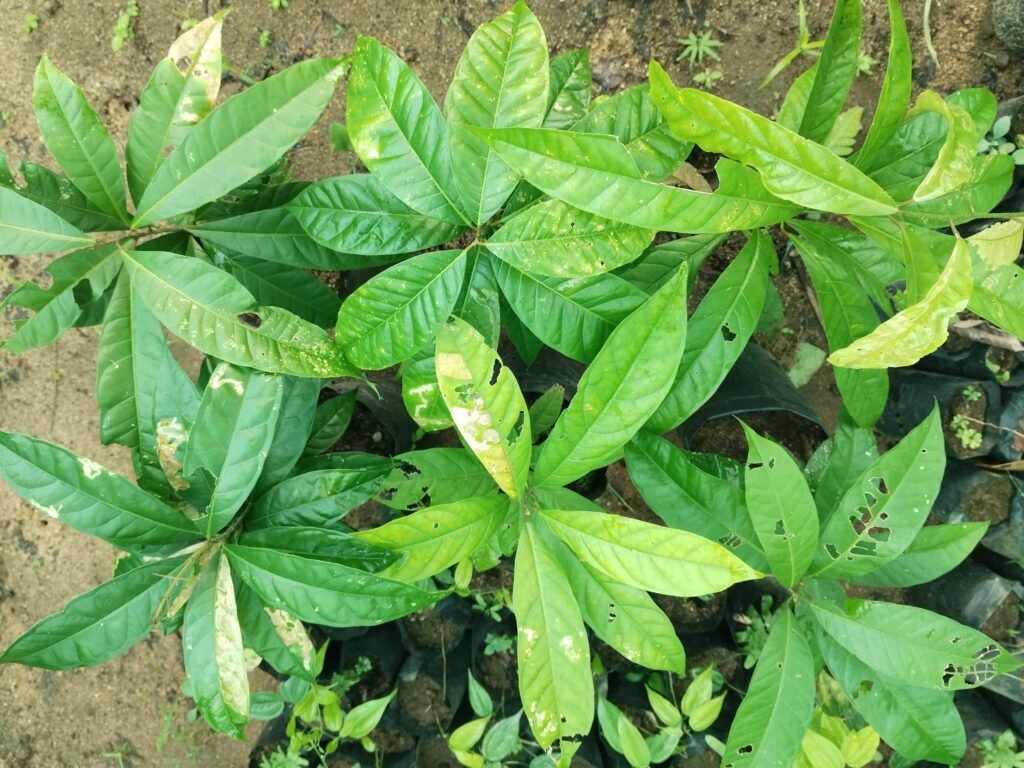
Let us continue exploring the amazing world of rare and underutilized plants, one species at a time.

