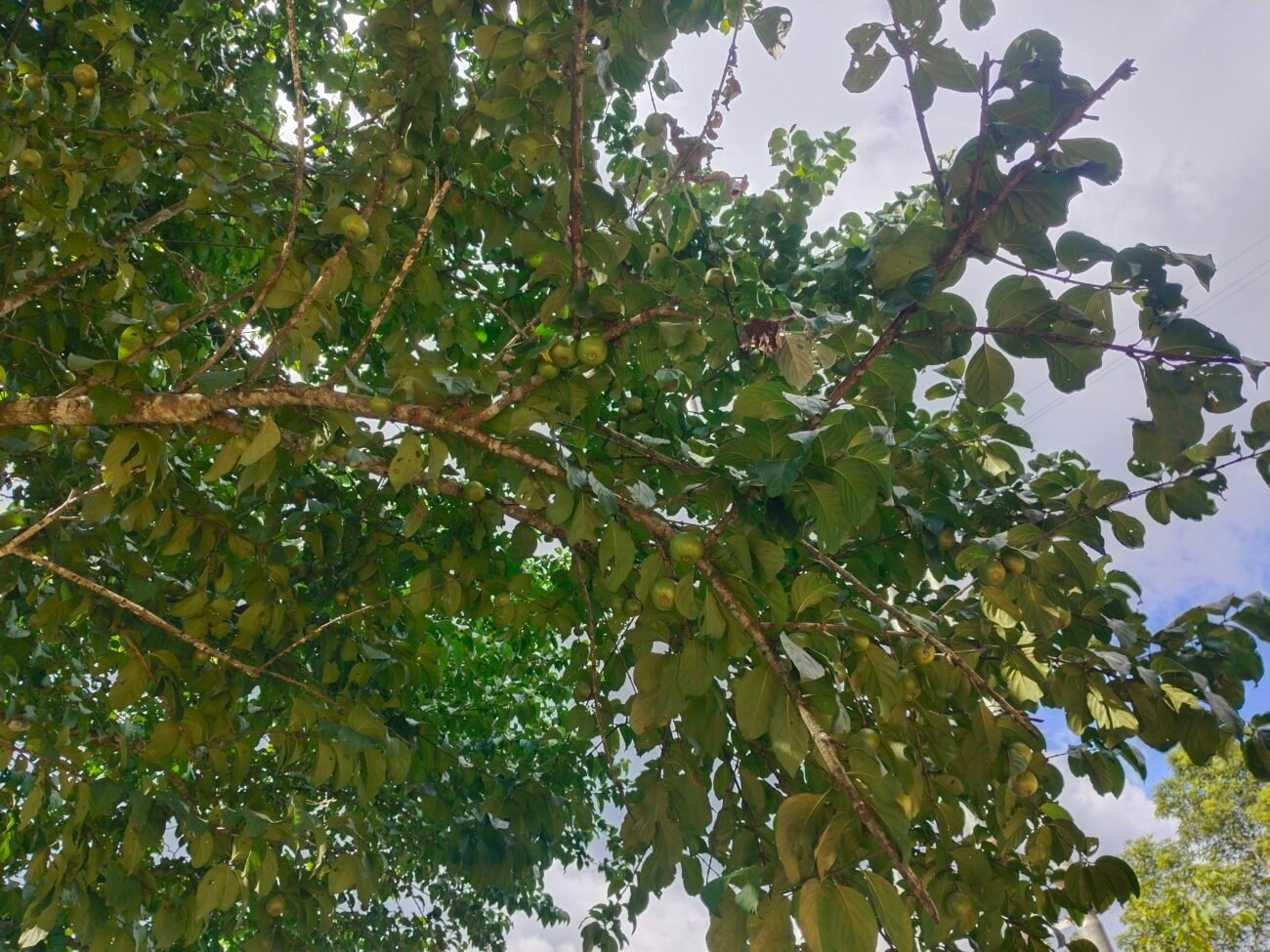
During my recent field visit, I noticed a wild fruiting plant that looks ordinary at first but becomes more interesting the more I learn about it after confirming its taxonomy.
I asked a local person who lives near the plant about it, and they said that they use it as food. Locals use this fruit as a vegetable when unripe and eat the ripe fruit raw.
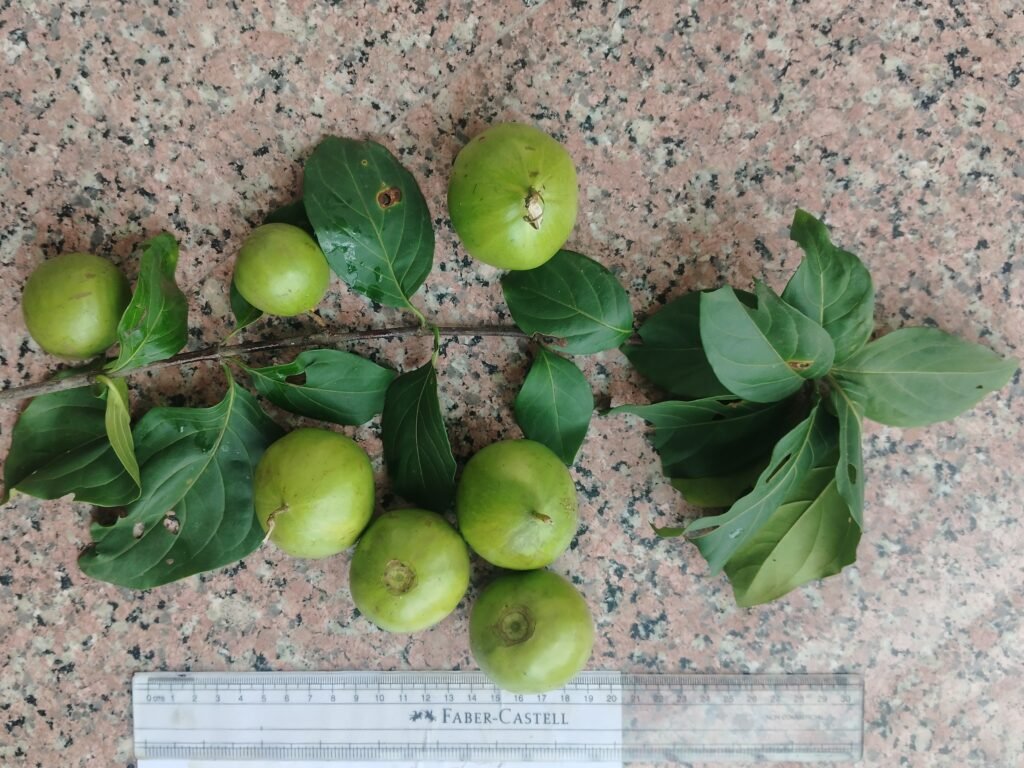
Meyna laxiflora Robyns, commonly known as Alu or Muyna. This thorny shrub or small tree belongs to the coffee family, Rubiaceae. It is native to parts of India and to other regions of South and Southeast Asia. The genus Meyna includes several species, and Meyna laxiflora and Meyna spinosa are among the species reported from India. Although these two species may look similar, they can be distinguished by differences in their flower structures. It may not be familiar to most of us, but among forest communities, this plant has been valued for generations as a source of food and traditional medicine.
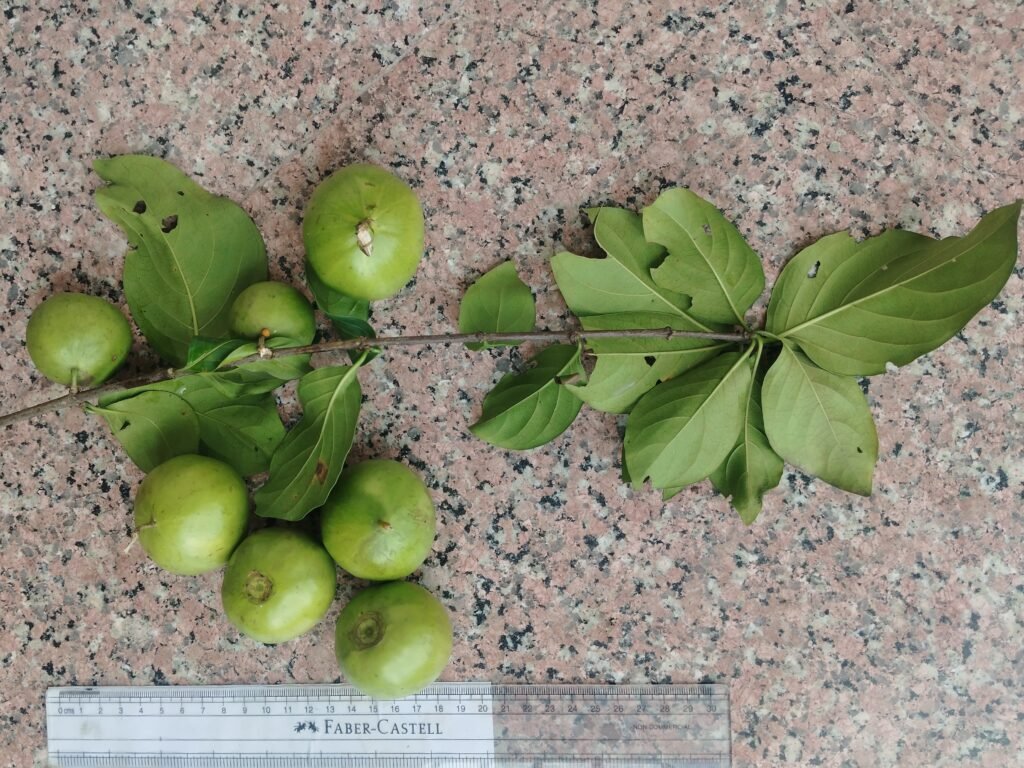
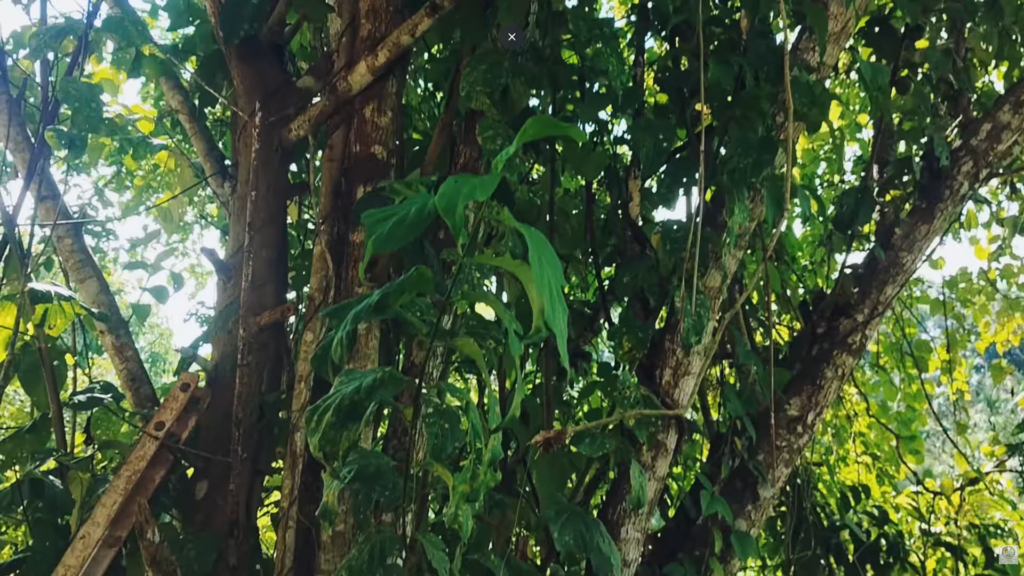
This species is known for its sharp spines with simple leaves. The flowers are small and greenish-white. One interesting feature is the arrangement of its flowers. M. laxiflora has pedicellate flowers, unlike species with flowers arranged in tight clusters.
A Thorny Plant with Foraging Leaves and Fruits
Due to its thorny growth habit, this could potentially be considered a biofencing species for farms, homesteads, and agroforestry systems, where it may help form a protective boundary. However, its effectiveness as a biofence needs further field-level research evaluation, particularly in terms of planting density, pruning response, and livestock deterrence.
A Wild Fruit with Many Uses
One of the simplest ways to enjoy M. laxiflora is to eat its ripe fruits fresh. In some regions, the fruit is traditionally known as a wild food. However, its use does not stop with eating the fresh fruit. In some communities of Northeast India, the fresh leaves are used to prepare chutney. This shows how different parts of the plant can become part of local food traditions. The ripe fruits have also been used to prepare wine, which has been described as having a unique colour, aroma, and flavour.
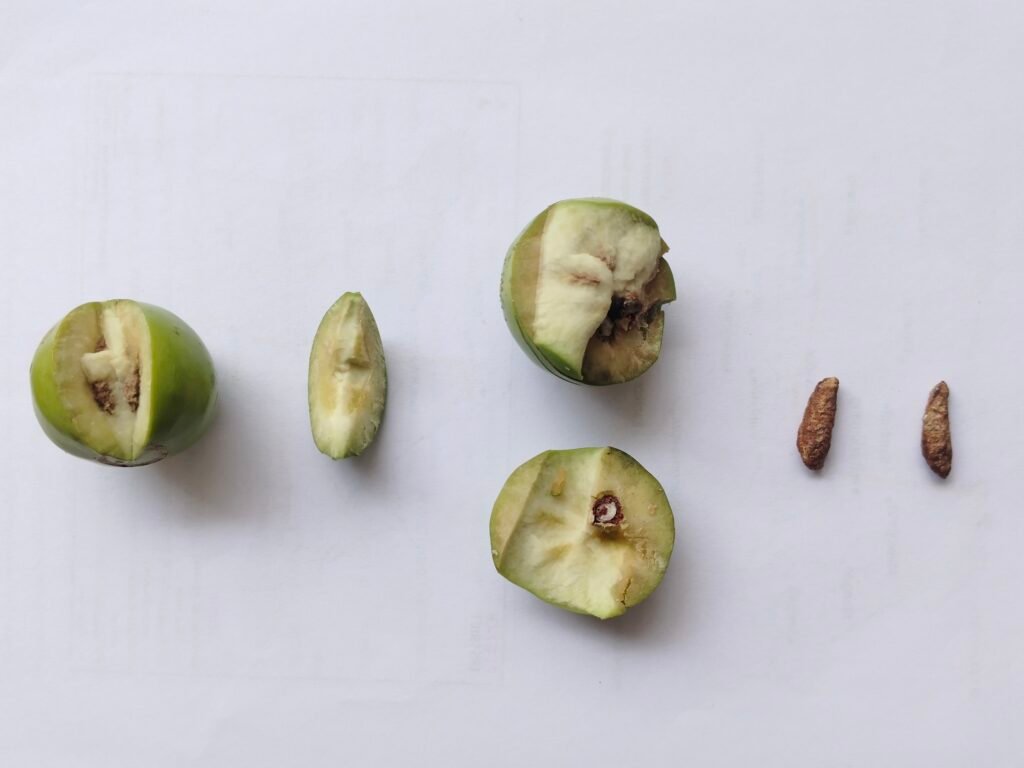
Another interesting possibility is the preparation of jam. Research has reported successful preparation of jam from the fruit, suggesting that this wild fruit could have potential for value-added food products. Therefore, Meyna laxiflora is not simply a fruit eaten directly from the forest; it may also provide opportunities for developing different traditional and processed food products.
Traditional Knowledge and Medicinal Uses
The traditional importance of Meyna laxiflora extends beyond edible uses. Different parts of the plant, including leaves, fruits, seeds, and other plant parts, have been reported in traditional practices in different regions. Ethnobotanical reports mention traditional applications related to digestive problems, skin conditions and other ailments. In some areas, the seeds have also been traditionally used for kidney stones. However, scientific studies are further needed to establish their safety, effectiveness, and appropriate use.
Phytochemistry and Antioxidant Potential
Researchers have also investigated the phytochemical properties of this species. Different parts of the plant have been reported to contain various phytochemicals, including tannins, saponins, alkaloids and carbohydrates. Some studies have also reported antioxidant properties in extracts of the plant parts. These findings make it an interesting subject for further research, particularly in relation to its nutritional value, phytochemistry and possible applications.
Why Should We Know About This Wild Fruit?
From a simple fresh fruit to chutney, jam and wine, M. laxiflora has several interesting uses. Its story also connects wild food, traditional knowledge, biodiversity and potential value-added products.
Many wild edible plants remain poorly known outside the communities that use them. Documenting these plants can help preserve traditional knowledge and encourage further scientific research. This plant story reminds us that forests are not only sources of timber and other conventional products. They also contain many lesser-known rare plants with food, cultural, and research value. From forest to food, this wild fruit has a surprisingly rich story.

